What Are Lab-Grown Diamonds?
Real Diamonds, Different Origin
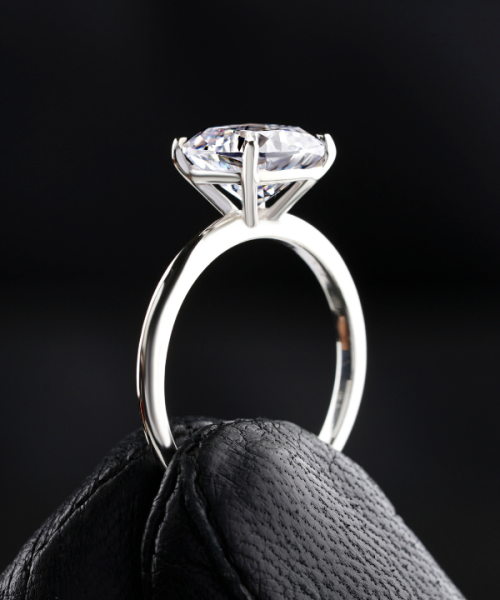
Lab-grown diamonds, sometimes called synthetic, lab-created, or engineered diamonds, have become quite popular as a widely accepted alternative to naturally mined diamonds from the Earth. These manufactured gems closely mimic the same chemical and visual traits of their natural counterparts, with the primary difference lying in how they are made. It’s crucial to understand that lab-grown diamonds are unquestionably real diamonds, a fact confirmed by the Gemological Institute of America (GIA).
To explain this difference in another way, think of the gap between lab-grown and natural diamonds as similar to the variation between ice naturally forming outdoors on a freezing winter day and carefully produced ice inside your freezer. To make this distinction simpler, picture it as the difference between cooking a meal from scratch and buying a ready-made one from a store—a clear difference in their creation.
CREATION
Before we explain how lab-grown diamonds are created, it might be helpful to understand how natural diamonds are formed. While the processes are quite similar, only one takes place naturally in the Earth while the other is produced in a laboratory.
Millions, even billions, of years ago, natural diamonds started as tiny carbon atoms that existed deep down in the Earth’s crust (approx. 100 miles beneath the Earth’s surface). These atoms were exposed to extreme heat and pressure which caused them to crystalize and form diamonds. Simultaneously, magma was forming close to the planet’s surface expanding at rapid rates. This expansion caused the magma to ‘erupt’, forcing the crystalized carbon atoms, now diamonds, to the Earth’s surface where the diamonds can be mined.
In contrast, there are two methods for creating lab-grown diamonds: High-Pressure High Temperature (HPHT) and Chemical Vapor Deposition (CVD). The method used to create a lab-grown diamond is stated on the grading report. There is no conclusive evidence as to one approach being superior to the other as the finished products will look identical to the naked eye.
The HPHT Method
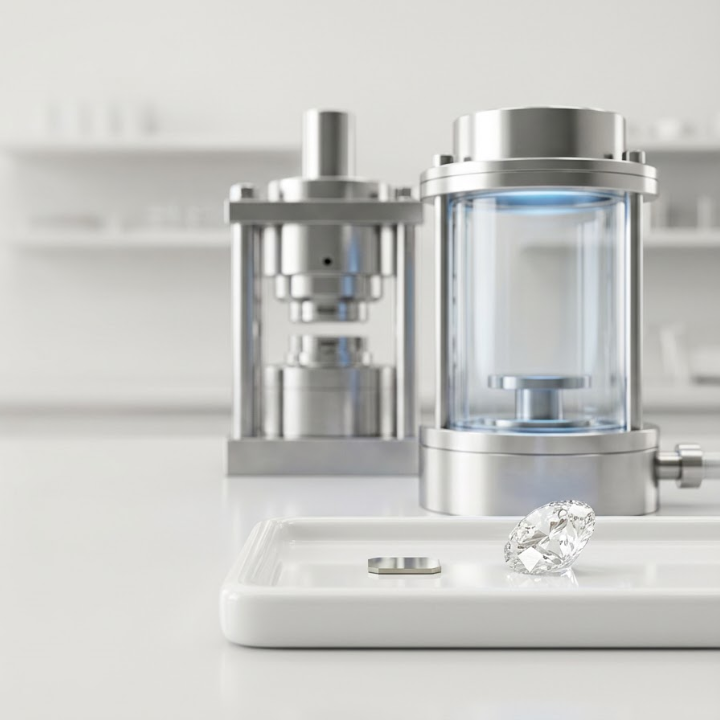
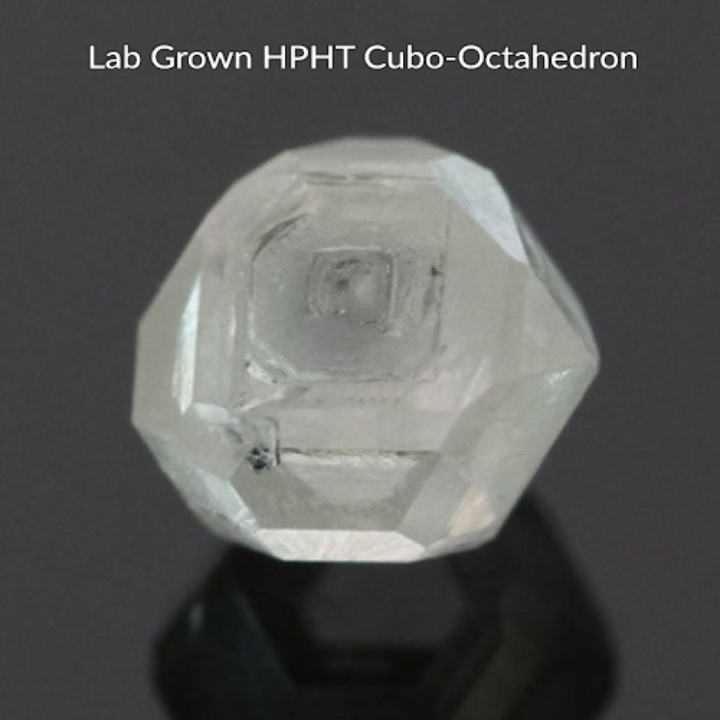
The High-Pressure High-Temperature (HPHT) method is the lab-grown process that most closely mirrors how diamonds form in nature. In a controlled chamber, technicians recreate the intense conditions found deep within the Earth by applying extreme heat (up to 2,200°F) and extreme pressure (around 1.5 million pounds per square inch) to a tiny diamond “seed” and a carbon source.
Under these conditions, the carbon breaks down and begins to crystallize onto the seed, building layer by layer into a single diamond crystal. Once the growth cycle is complete, the diamond is carefully cooled to stabilize the crystal structure and prevent stress or fractures. The result is a rough diamond that can then be cut and polished just like a mined diamond.
Because diamond growth is gradual and closely monitored, the timeline can vary—typically taking several days to several weeks, depending on the target size, the desired quality, and the specific growth settings used during the process.
The CVD Method
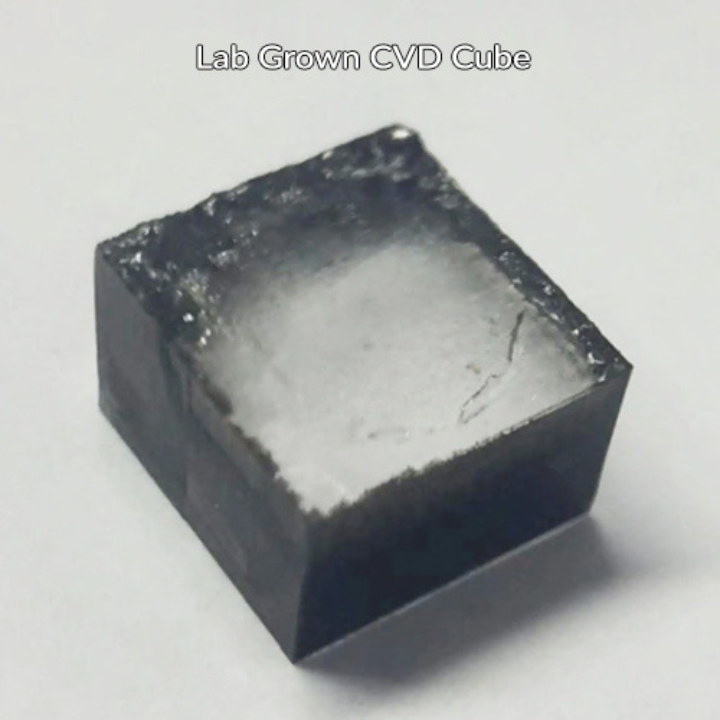
The Chemical Vapor Deposition (CVD) method creates lab-grown diamonds in a more moderate, highly controlled environment, using a slower growth cycle that typically takes about 6 to 12 weeks. A thin slice of diamond—known as a diamond seed—is placed inside a sealed growth chamber and heated to high temperatures, sometimes reaching around 1,500°F.
Next, gases such as hydrogen and methane are introduced into the chamber. These gases are energized (ionized) to form a plasma that breaks the molecules apart and releases pure carbon atoms. Those carbon atoms then settle onto the diamond seed and bond to its crystal structure, building the diamond layer by layer.
Over time, this steady accumulation of carbon forms a single, larger diamond crystal that is removed as a rough stone and then cut and polished just like a natural diamond. The final growth time depends on the desired size, the growth rate used, and the quality targets for the finished diamond.
DURABILITY & APPEARANCE
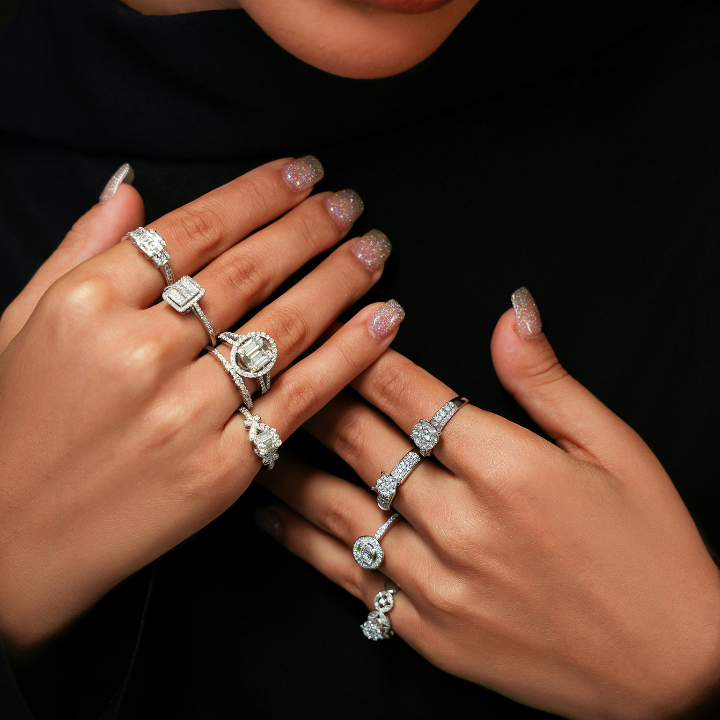
Lab-created diamonds, distinguished by their matching chemical and visual properties to natural diamonds, encompass attributes that render them highly coveted within both the jewelry industry and industrial applications. Their unparalleled hardness, ranking at a solid 10 on the Mohs scale, positions them as the most durable gemstones available. Moreover, they exhibit a heightened refractive index, which endows them with a radiant sparkle that mirrors that of natural diamonds.
What’s particularly compelling is the extensive variety of shapes into which lab-grown diamonds can be expertly cut. Whether one seeks the classic charm of a round or oval cut, the timeless elegance of emerald or princess cuts, or the distinct allure of marquise and pear shapes, lab-created diamonds offer a wide array of options.
Given these impressive qualities, lab-grown diamonds emerge as an exquisite choice, not only for jewelry but specifically as the centerpiece of an engagement ring. This aligns with the desires of individuals seeking not only the enduring allure and exceptional beauty of a diamond but also a responsible and sustainable choice.
THE 4C’S OF LAB GROWN DIAMONDS
Lab-grown diamonds are graded on the same scale as natural counterparts and have a similar spectrum of colors, inclusions, cuts, and sizes.
Color
Color is graded by how little tint a diamond shows. Lab-grown diamonds can sometimes develop a faint yellow or brown hue during growth, which can lower the color grade. The most popular choices are typically D–H, where the diamond appears bright and near-colorless. Natural diamonds are graded the same way, though warmer tones are sometimes more accepted in mined stones due to price.
Clarity
Clarity measures internal inclusions and surface features that can affect transparency and sparkle. Both lab-grown and natural diamonds can have inclusions, which vary in size and visibility. The GIA evaluates these characteristics to assign a clarity grade; in lab-grown diamonds they’re often described as “growth remnants” from the creation process. In natural diamonds, inclusions like feathers may occur and can impact durability depending on placement.
Cut
Cut controls how well a diamond reflects light—driving brilliance and sparkle. Lab-grown diamonds are cut and polished using the same standards as natural diamonds, across round and fancy shapes. Round diamonds receive a cut grade based on proportions, symmetry, and polish, while fancy shapes are judged mainly by overall visual performance. A premium cut in either type can reduce hidden weight and maximize light return.
Carat
Carat is the measurement used to describe a diamond’s weight—and it’s often the first number shoppers focus on. One carat equals 200 milligrams, and diamonds are also commonly described in “points” (100 points = 1.00 carat). Carat matters for pricing and comparison, but it doesn’t always tell you how large a diamond will look once it’s on the hand.
That’s because carat weight doesn’t automatically equal visual size. Two diamonds can weigh the same yet look different from the top depending on cut and proportions. A diamond cut too deep may hide weight underneath, making it appear smaller face-up. A well-cut diamond spreads its weight across the top more effectively, often looking larger and delivering more sparkle at the same carat weight.
Carat can also look different across shapes. Elongated cuts like oval or marquise may appear larger than a round diamond of equal carat because of their outline. Since lab-grown and natural diamonds are measured the same way, carat is an easy comparison point—but for the best result, balance it with cut quality and top-down dimensions (millimeter measurements).
GRADING
When it comes to purchasing an engagement ring, it’s essential to consider the grading reports that accompany lab-grown diamonds. These reports are issued by reputable independent laboratories like the Gemological Institute of America (GIA) and the International Gemological Institute (IGI). Each lab-grown diamond receives its unique report number, which is often inscribed onto the diamond’s girdle using laser technology.
What’s noteworthy is that these established gemological laboratories employ the same grading system for lab-grown diamonds as they do for natural ones. This system assesses color on a scale ranging from D (colorless) to Z (light color). It evaluates clarity on a spectrum from “Flawless” (no internal or external imperfections) to “Included” (containing noticeable inclusions).
Moreover, the grading reports furnish additional crucial information, such as cut, polish, and symmetry grades, which influence the diamond’s overall appearance and sparkle. These laboratories also provide an inclusion plot, which serves as a visual representation of the diamond’s internal characteristics, pinpointing the exact location of any inclusions within the stone.
In essence, these comprehensive grading reports are invaluable tools for engagement ring buyers, as they offer a transparent and standardized way to assess the quality of lab-grown diamonds, ensuring you make an informed choice when selecting a stone for that special ring.
IDENTIFYING LAB
GROWN DIAMONDS
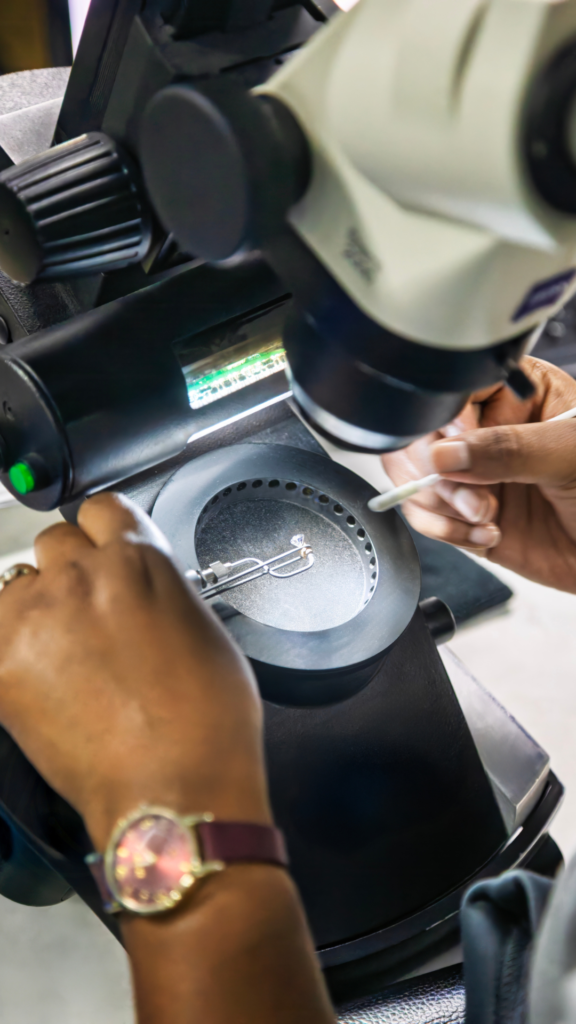
Given the identical physical and optical characteristics of lab-grown and natural diamonds, it becomes exceedingly challenging for an untrained observer to discern any disparities between them. While individuals with specialized training in gemology might employ magnification tools to discern growth patterns or the presence of distinguishing elements, the most reliable method involves the utilization of a testing apparatus. These sophisticated instruments, typically reserved for usage in laboratories and by jewelers, can facilitate the identification of specific attributes that unequivocally point to the diamond’s origin of growth.
In any such assessment, it is crucial that a reputable jeweler explicitly communicates the diamond’s source and offers a grading report from an independent third-party entity, such as GIA or IGI, to ensure transparency and authenticity.


PRICE & VALUE
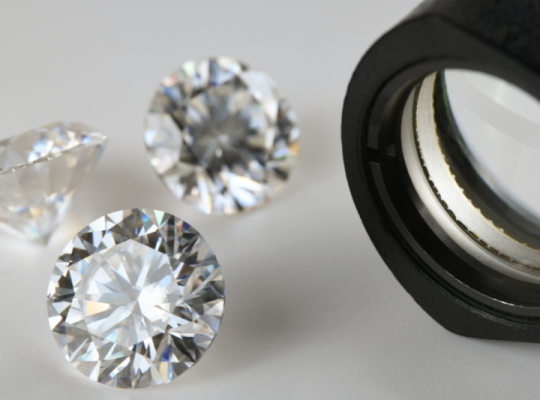
Lab-grown diamonds are becoming more popular, but their prices have been dropping. This is because making them has become easier and faster, so there are more of them available than people want to buy. When there’s too much of something, its price usually goes down, and that’s what’s been happening with lab-grown diamonds in recent years.
Compared to natural diamonds, lab-grown diamonds are typically available at discounted rates, normally between 50% and 70%, contingent upon the stone’s size. The gap between the two is expanding at the time of this discussion. Natural diamond prices are on an upward trajectory, while prices for lab-grown diamonds, which have demonstrated signs of stabilization, have been gradually decreasing.
It’s important to note that both lab-grown and natural diamonds exhibit certain pricing trends, including the exponential increase in price per carat as carat weight increases and elevated pricing for higher quality stones.
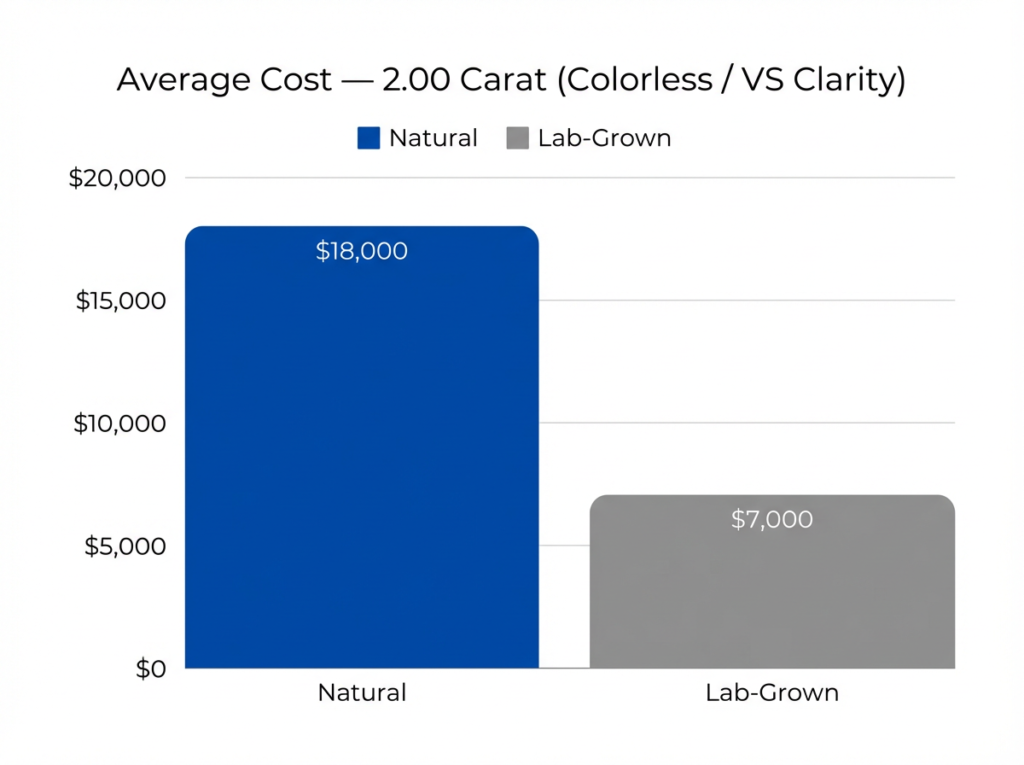
Here’s a different example illustrating the price comparison between lab-grown diamonds and natural diamonds:
Consider this scenario: you’re in the market for a 1.5-carat diamond with excellent color and clarity. A natural diamond meeting these criteria might come with a price tag of $15,000. However, if you opt for a lab-grown diamond with identical specifications, it could be available for approximately $6,500.
This highlights how choosing a lab-grown diamond can allow you to enjoy a stunning gem without significantly impacting your budge
Why Choose a Lab-Grown Diamond?
There are many reasons why someone may choose a lab-grown diamond as the center stone for their custom engagement ring. First of all, it is important to reiterate what has been mentioned above: they possess the same beauty and durability as natural diamonds.
Many who choose lab-grown diamonds point to the fact that they are ethically sourced and eco-friendly as being a factor in why they selected this center stone over a natural diamond. Finally, the price point; having something that looks identical to a natural diamond at a fraction of the cost is very enticing. This allows the consumer to save the difference or allocate more of their engagement ring budget towards a beautiful custom design setting.
At Venus Creations Jewelers we offer our clients both natural and lab-grown diamonds as center stone options for their engagement rings. Each diamond we sell has been thoroughly inspected to ensure not only its origin but the quality and visual beauty of the stone.